
 0
0
 0
0
Rethinking Home Through Purposeful Simplicity
Minimalist house design has grown far beyond an aesthetic trend. It represents a broader shift in how people think about space, functionality, and everyday living. As modern lifestyles become increasingly busy and cluttered, homeowners are re-evaluating the role their living spaces play in supporting comfort, clarity, and balance. Minimalism answers this need by prioritizing purpose over excess.
This design approach emphasizes intentional choices—every room, object, and layout decision serves a clear function. Rather than focusing on decorative abundance, minimalist homes create environments that feel calm, efficient, and adaptable. This philosophy resonates strongly in contemporary housing, where smaller footprints and rising costs encourage smarter use of space.
This article explores how minimalist house design is reshaping modern home living. From layout planning and material selection to lifestyle impact and long-term property value, it examines why simplicity continues to influence residential design. Minimalism is not about deprivation; it is about creating homes that work better, feel lighter, and support the way people actually live.
The Core Principles Behind Minimalist House Design
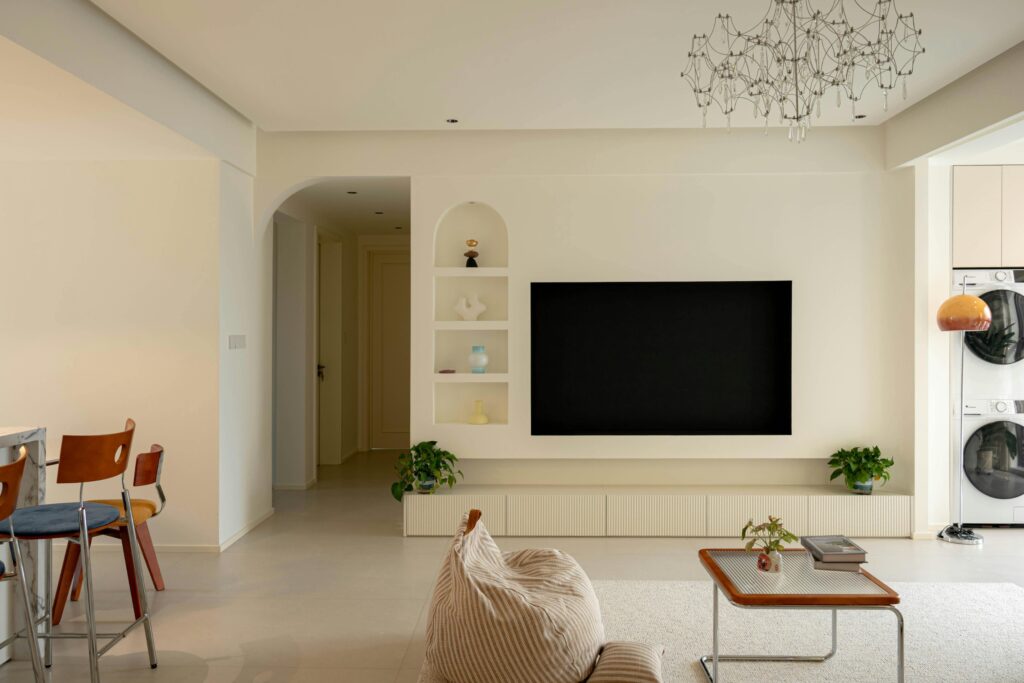
Minimalist house design is built on a small number of guiding principles that shape both form and function. At its foundation is the idea that space should be used intentionally. Open layouts, clean lines, and uncluttered surfaces allow rooms to breathe, making even modest homes feel expansive.
Functionality plays a central role. Furniture is selected not for ornamentation but for utility and longevity. Storage is integrated discreetly, reducing visual noise while maintaining practicality. This approach ensures that daily activities flow naturally without unnecessary obstacles.
Within modern residential property design trends, minimalism also emphasizes material honesty. Natural textures such as wood, stone, and concrete are often left exposed or minimally treated. Neutral color palettes support visual continuity and create a timeless quality that adapts easily to changing tastes.
Lighting is another key element. Natural light is maximized through large windows and open sightlines, while artificial lighting is designed to be subtle and purposeful. These principles combine to create spaces that feel grounded and flexible. Minimalist design works not because it removes character, but because it allows the essential qualities of a home to stand out.
How Minimalism Supports Modern Lifestyles
The appeal of minimalist house design extends beyond visual simplicity into everyday experience. Modern life often involves constant stimulation—digital devices, busy schedules, and information overload. Minimalist homes provide an environment that counterbalances this intensity by reducing distractions.
Simplified spaces support mental clarity. When visual clutter is minimized, it becomes easier to focus, relax, and recharge. Many homeowners report improved wellbeing when living in environments that feel orderly and calm. This connection between space and mental health has strengthened the appeal of minimalism in recent years.
From a modern residential property design trends perspective, minimalism also supports flexibility. Open-plan layouts adapt to remote work, family needs, and changing routines more easily than rigid room structures. A minimalist living area can transition seamlessly from workspace to social space without reconfiguration.
Minimalism also encourages mindful consumption. Homeowners become more selective about what they bring into their space, prioritizing quality over quantity. This mindset reduces waste and supports sustainability. In this way, minimalist house design aligns closely with broader lifestyle shifts toward intentional living and long-term value.
Space Efficiency and Smart Layout Planning
One of the strongest practical advantages of minimalist house design is efficient use of space. As urban living spaces become smaller, the ability to maximize functionality without overcrowding becomes essential. Minimalism addresses this challenge through thoughtful layout planning and multifunctional design.
Open floor plans reduce the need for unnecessary walls, allowing light and movement to flow freely. Rooms serve multiple purposes, and furniture is often designed to adapt—sofas with storage, fold-away desks, or modular shelving systems. These solutions increase usability without increasing square footage.
Within property design approaches for modern living, minimalist layouts often prioritize circulation paths and natural sightlines. Clear movement between rooms enhances comfort and accessibility. This efficiency is especially valuable in apartments, townhouses, and compact family homes.
Smart storage is another defining feature. Built-in cabinets, concealed compartments, and vertical storage solutions keep belongings accessible but out of sight. By reducing visual clutter, minimalist spaces maintain a sense of openness even when fully functional. This efficiency supports daily life while preserving aesthetic clarity.
Minimalist Design and Long-Term Property Value
Minimalist house design offers more than immediate lifestyle benefits; it can also contribute to long-term property value. Homes designed with simplicity and flexibility appeal to a broader range of buyers, making them easier to sell or adapt over time.
Neutral palettes and timeless materials reduce the risk of dated interiors. Unlike trend-heavy designs that require frequent updates, minimalist homes age gracefully. This durability lowers renovation costs and preserves property appeal across market cycles.
From the standpoint of property design approaches for modern living, minimalist homes often emphasize quality construction and thoughtful detailing. Buyers increasingly look for homes that feel intentional rather than overdecorated. Simplicity allows craftsmanship and layout to take center stage.
Insights shared on The John Bird Blog often highlight how thoughtful design decisions influence long-term satisfaction and value. Minimalist house design supports this principle by creating spaces that remain relevant, adaptable, and easy to maintain. Over time, these qualities translate into stronger resale potential and lower ownership stress.
Balancing Minimalism With Personal Expression
A common misconception is that minimalist homes lack personality. In practice, minimalism provides a framework for intentional expression rather than uniformity. Personal style emerges through carefully chosen details rather than excess decoration.
Artwork, textiles, and accent pieces are selected for meaning rather than volume. A single statement object can define a space more effectively than multiple competing elements. This restraint enhances appreciation for individual items and avoids visual fatigue.
Within modern residential property design trends, successful minimalist homes balance simplicity with warmth. Natural materials, soft lighting, and subtle textures prevent spaces from feeling sterile. The goal is comfort, not emptiness.
Personal expression within minimalism evolves over time. Because the foundation remains neutral, homeowners can update accents without redesigning entire rooms. This adaptability allows spaces to grow with their occupants while preserving the clarity that defines minimalist living.
Conclusion
Minimalist house design continues to reshape modern home living by aligning space, function, and lifestyle in a more intentional way. By emphasizing clarity, efficiency, and adaptability, minimalist homes support both practical needs and emotional wellbeing. Open layouts, thoughtful storage, and timeless materials create environments that feel calm without sacrificing comfort or personality. Within the broader context of modern residential property design trends, minimalism stands out for its durability and relevance in a changing housing landscape. When viewed through thoughtful insights on how intentional living shapes home spaces, minimalist design becomes more than an aesthetic choice—it becomes a long-term strategy for sustainable, adaptable, and satisfying home ownership. As lifestyles evolve, simplicity remains a powerful foundation for living well.


