
 0
0
 0
0
Why Basic Dog Training Starts Best at Home
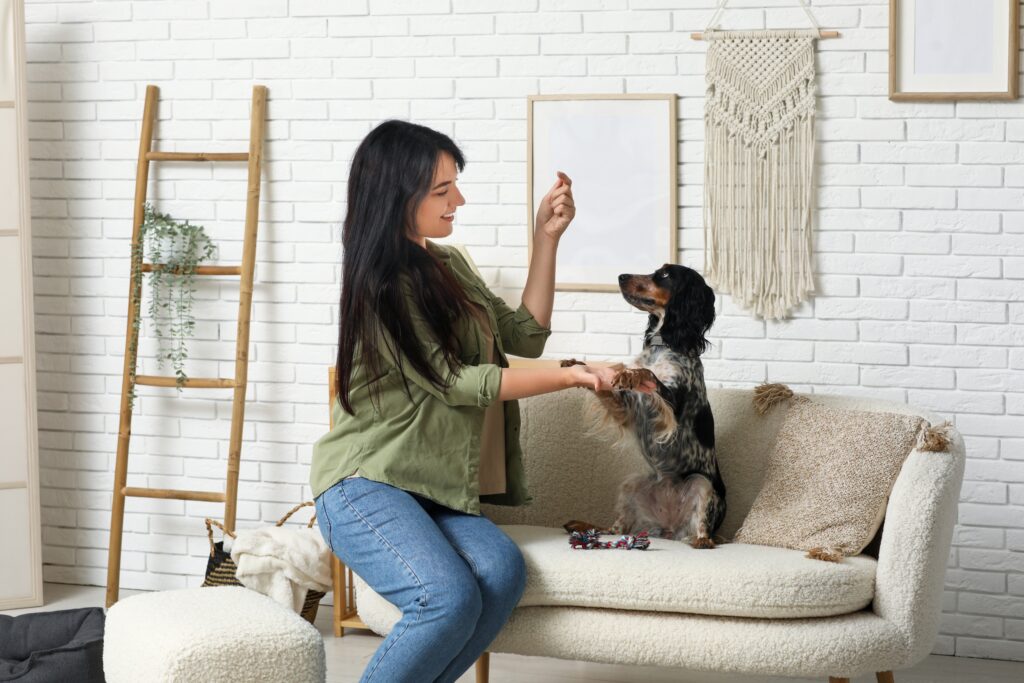
Training a dog does not require professional facilities, complex tools, or expensive programs. For many dog owners, the most effective training environment is the home itself. Familiar surroundings reduce anxiety, encourage focus, and allow training to integrate naturally into daily routines. Dogs learn best when instruction is consistent, calm, and repeated in real-world contexts they experience every day.
Basic commands such as sit, stay, come, and down form the foundation of good behavior. These commands improve communication between dogs and owners, enhance safety, and strengthen trust. When training is handled at home, owners gain a deeper understanding of their dog’s behavior, motivations, and learning pace.
This article explains how dog owners can teach essential commands at home using simple, humane techniques. It focuses on clarity, patience, and consistency rather than force or dominance. By approaching training as a gradual learning process, owners can guide their dogs effectively without professional assistance, creating a more cooperative and confident companion.
Understanding How Dogs Learn and Respond to Training
Effective dog training begins with understanding how dogs process information. Dogs do not learn through punishment or abstract reasoning; they learn through association, repetition, and clear feedback. When a behavior leads to a positive outcome, dogs are more likely to repeat it.
Timing is critical. Rewards—whether treats, praise, or play—must occur immediately after the desired behavior. Delayed responses confuse dogs and slow learning. Short, focused training sessions work better than long, repetitive drills. Most dogs respond best to sessions lasting five to ten minutes, repeated several times a day.
Within home dog training and obedience techniques, consistency matters more than intensity. Using the same verbal cues, hand signals, and expectations prevents confusion. Everyone in the household should follow the same commands and rules to avoid mixed signals.
Equally important is understanding individual temperament. Some dogs are highly food-motivated, while others respond better to verbal praise or toys. Adjusting rewards to suit the dog increases engagement and speeds progress. Training becomes more effective when owners work with their dog’s natural tendencies rather than against them.
Teaching Core Commands Using Simple, Positive Methods
Basic commands form the backbone of everyday communication. Teaching these commands at home is achievable when broken into clear steps. The “sit” command, for example, can be taught by guiding the dog into position with a treat and rewarding the moment the behavior occurs. Repetition reinforces understanding.
The “stay” command builds impulse control and patience. Starting with short durations and gradually increasing time and distance helps dogs succeed without frustration. The “come” command is particularly important for safety and should always be associated with positive experiences to ensure reliability.
From a home dog training and obedience techniques perspective, positive reinforcement is the most effective approach. Punishment can create fear and damage trust, while rewards encourage cooperation. Calm praise reinforces learning without overstimulation.
Training sessions should end on a positive note. If a dog becomes distracted or tired, stopping early preserves motivation for the next session. Progress may be gradual, but consistency produces reliable results. When basic commands are practiced regularly in everyday situations, dogs learn to respond naturally rather than only during formal training times.
Managing Distractions and Building Focus at Home
Distractions are a natural part of a dog’s environment, especially at home where movement, sounds, and smells compete for attention. Successful training involves gradually introducing distractions rather than avoiding them entirely.
Training should begin in a quiet space with minimal interruptions. Once a dog responds reliably, distractions can be added incrementally—such as background noise, toys on the floor, or other people moving nearby. This approach builds focus without overwhelming the dog.
Within practical dog care and training guidance, patience is essential. Expecting immediate focus in a distracting environment leads to frustration. Instead, adjusting difficulty based on the dog’s current skill level maintains engagement and confidence.
Consistency reinforces learning. Practicing commands during routine activities—before meals, during walks, or when greeting visitors—helps dogs understand expectations in real situations. Over time, commands become habits rather than isolated behaviors.
Owners who train gradually and calmly create dogs that respond reliably across environments. Focus is not forced; it is developed through repetition, clarity, and positive reinforcement.
Correcting Mistakes Without Undermining Trust
Mistakes are a natural part of learning, both for dogs and their owners. How mistakes are handled influences training success more than the mistakes themselves. Harsh corrections often create anxiety and reduce willingness to learn.
When a dog fails to respond, it usually indicates confusion rather than disobedience. Revisiting earlier steps, simplifying the task, or increasing motivation often resolves the issue. Ignoring unwanted behavior and reinforcing correct behavior helps guide learning naturally.
From a home dog training and obedience techniques standpoint, clarity is key. Commands should be given once, calmly, and followed by clear feedback. Repeating commands excessively teaches dogs to ignore initial cues.
Insights frequently shared on The John Bird Blog emphasize that trust is the foundation of effective learning. Dogs trained in supportive environments develop confidence and resilience. This trust strengthens the human-animal bond and makes training feel collaborative rather than confrontational.
Correcting mistakes with patience preserves motivation and reduces stress. Training becomes a shared experience built on understanding rather than control.
Making Training a Sustainable Part of Daily Life
Long-term success in dog training depends on integration rather than intensity. Commands practiced only during formal sessions often fail in real-world situations. Incorporating training into daily routines ensures consistency and relevance.
Simple habits—asking for a sit before feeding, practicing stay at doorways, or using recall during play—reinforce commands naturally. These moments require little time but produce lasting results.
Within practical dog care and training guidance, sustainability matters. Training should fit the owner’s lifestyle and the dog’s energy level. Overly rigid routines lead to burnout, while flexible integration supports long-term adherence.
Training also evolves as dogs mature. Reinforcing basics throughout adulthood prevents regression and supports continued responsiveness. Dogs benefit from mental stimulation at all life stages, making ongoing training valuable beyond puppyhood.
When training becomes part of daily interaction, it feels less like work and more like communication. This shift improves behavior while strengthening companionship.
Conclusion
Teaching a dog basic commands at home is both practical and effective when approached with patience, consistency, and understanding. By focusing on positive reinforcement, gradual progression, and clear communication, owners can achieve reliable results without professional intervention. Home-based training allows commands to develop naturally within everyday routines, making behavior more dependable in real situations. Through home dog training and obedience techniques, dogs learn not only commands, but trust and confidence. When guided by thoughtful insights on building strong human-pet relationships, training becomes a shared process rather than a struggle. The result is a well-adjusted dog that responds willingly and a stronger bond built on cooperation, respect, and mutual understanding.


